What If Your Church Could Fund More of Its Mission Through What It Builds?
Discover a thoughtful, legal, and mission-aligned model for creating church-owned businesses that generate income, create jobs, serve the community, and help fund long-term ministry impact.
The Mission is Powerful and Growing
The Funding Model Hasn’t Always Kept Up.
Many churches are carrying more vision than their current budget can support. Giving may fluctuate. Costs continue to rise. Community needs are increasing.
Pastors are often left trying to fund bold Kingdom vision through unpredictable weekly giving alone. What if a church could build a business that helps fund the mission without compromising the integrity of the ministry?
Our eBook, A Pastor's Guide to Church Owned Businesses answers this question.
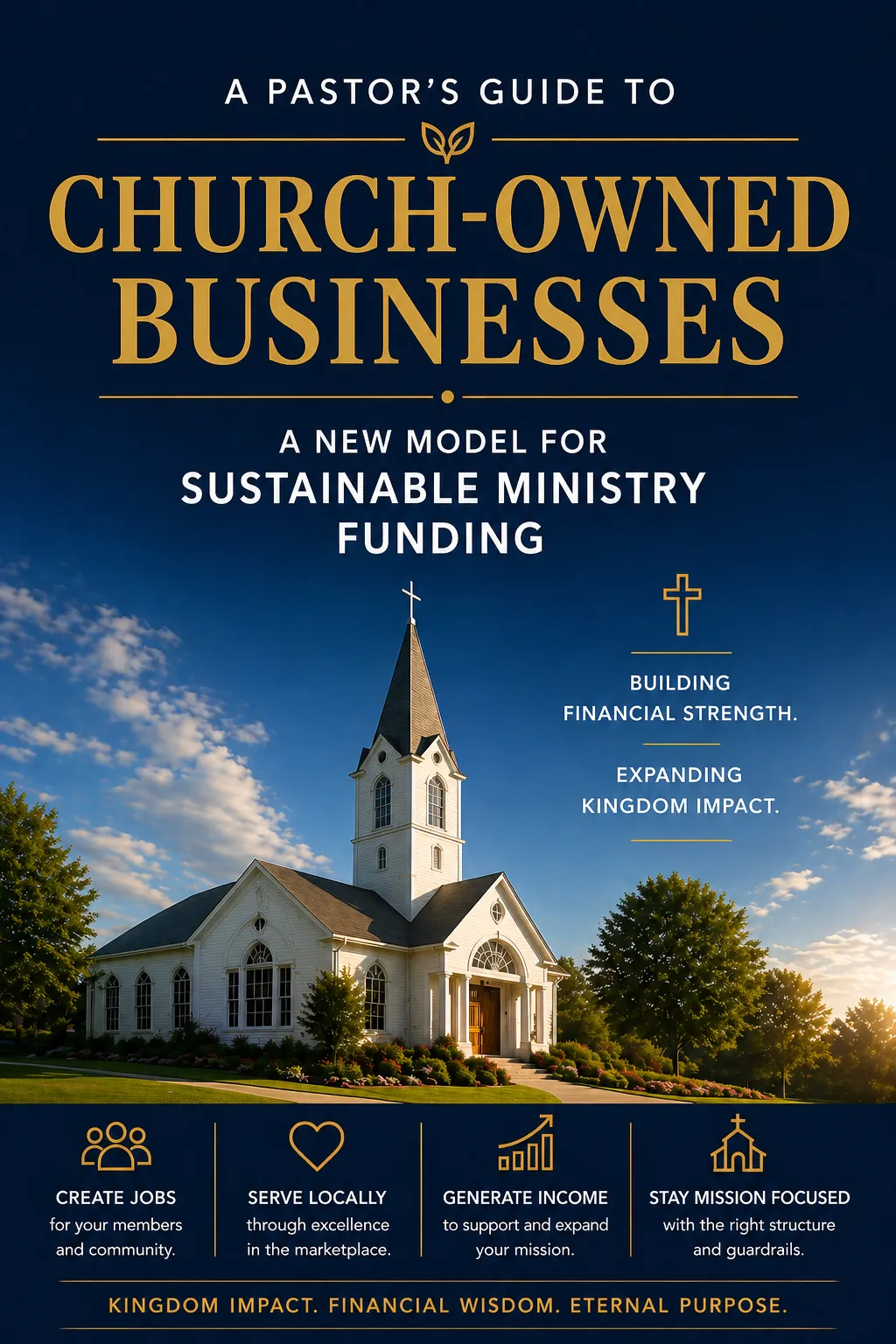
An Early Church Model for Sustainable Ministry Funding
The idea is simple, as old as the first-century church, but must be structured carefully in our current time and place.
A church can legally and ethically form or own a separate for-profit business entity that operates in the marketplace, serves real customers, pays taxes, creates jobs, and distributes profits back to the church to help support its mission.
This is not about commercializing the church. It is about creating a mission-aligned economic engine that supports outreach, staff, programs, facilities, and community impact.
Inside the eBook You'll Learn
How a church-owned business can work
Why home services and local service businesses may be a strong fit
The legal and ethical guardrails churches must respect
Why the business should operate through a separate for-profit entity
How to think about operators, accountability, and leadership
How profits may flow back to support the church’s mission
The early church did not build businesses under a formal structure like our current society and tax system requires, but it consistently demonstrated a pattern of believers, including leaders like Paul, generating income from their professions, stewarding resources wisely, and using those resources to care for one another, their neighbors, and advance the mission.
This model seeks to apply those same biblical principles in a modern, structured, and legally sound way.
Built on Structure, Wisdom, and Integrity
This model only works when it is approached with discipline.
The eBook explains why churches must maintain clear separation between nonprofit ministry and for-profit business operations, avoid private benefit, use fair market arrangements, follow employment laws, and ensure the business is professionally operated.
This is not a loophole or workaround. It is a structured, legally sound model that must be implemented with the right guardrails, leadership, and oversight.
Imagine the kingdom impact
The New Testament does not command business ownership, but it consistently affirms the virtues that make business ownership meaningful and valuable to the work of the Kingdom. Work, stewardship, multiplication, provision, and generosity are all elevated. Business ownership is one of the most powerful modern expressions of those principles.
Create Jobs
Provide meaningful employment and leadership opportunities for church members and across the community.
Serve Locally
Build a business that meets real needs with excellence and integrity. Take your faith into the community in tangible ways.
Fund The Mission
Use business profits to support outreach, missions, ministry growth, and community programs without additional parishioner burden.
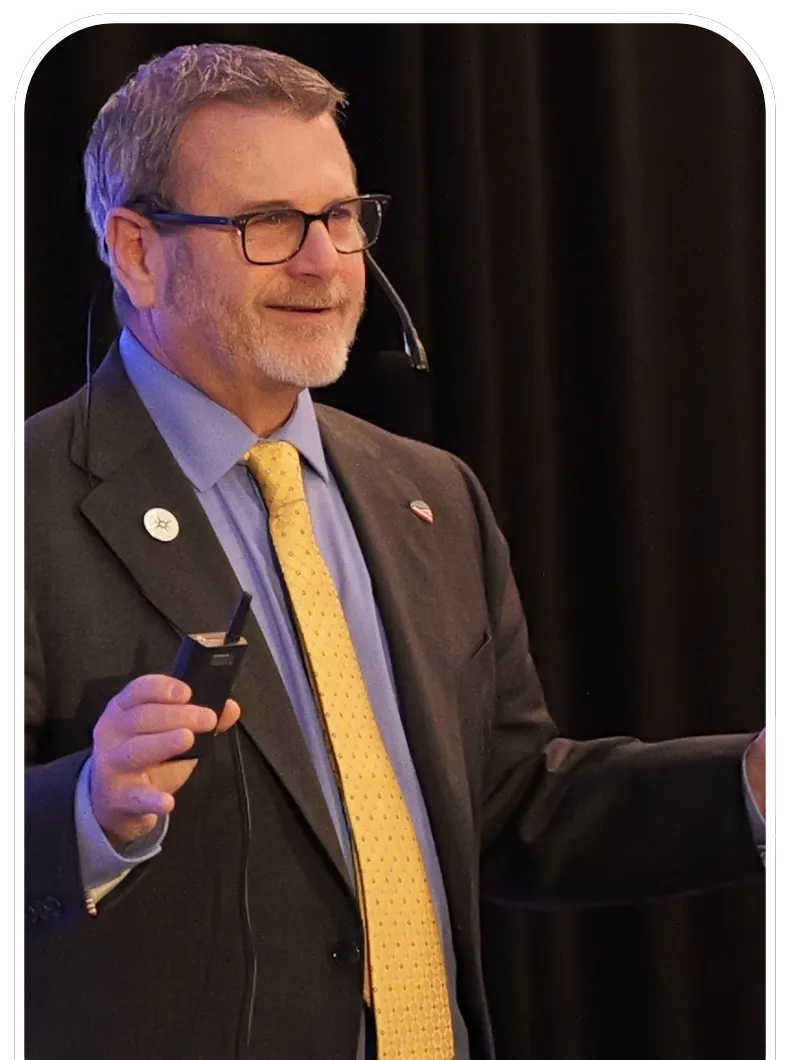
A Conversation for Forward-Thinking Church Leaders
In a previous life I was a church planter and senior pastor. As a natural born visionary, I had big goals for how our faith community could do good and alleviate suffering in the world.
But I struggled, every week with the idea of asking people in the congregation, many with their own set of financial struggles, to fund the impact we wanted to make.
So much of the good I hoped we could do was not done due to a lack of financial resources.
I wish I knew then what I know now.
This guide was created for pastors, executive pastors, church boards, and faith-based leaders who are exploring creative ways to strengthen the financial foundation of their church while expanding their impact in the community.
As an award-winning franchise advisor, I help leaders evaluate business models, franchise systems, operator fit, capitalization needs, and the practical steps required to explore this path responsibly.
I'm contracted with approximately 500 franchises across 37 industries, with several of the franchise founders and lead executives being openly faith forward, committed to the Christian faith, and to serving communities with the excellence and integrity that demonstrates their faith in tangible ways.
I'd welcome an opportunity to speak with you about how my team and I can help your faith community find the right franchise model, create the appropriate legal structure, fund the business (if needed), and begin serving your community and funding your mission.
"Whatever you do, work at it with all your heart, as working for the Lord, not for human masters".
Colossians 3:23
This ebook is for educational purposes only and does not provide legal, tax, accounting, or financial advice. Churches should consult qualified nonprofit legal counsel and tax professionals before forming or investing in any business entity.
© 2026 Quantum Franchise Group - All Rights Reserved.
Contact
FAQ
Privacy Policy